

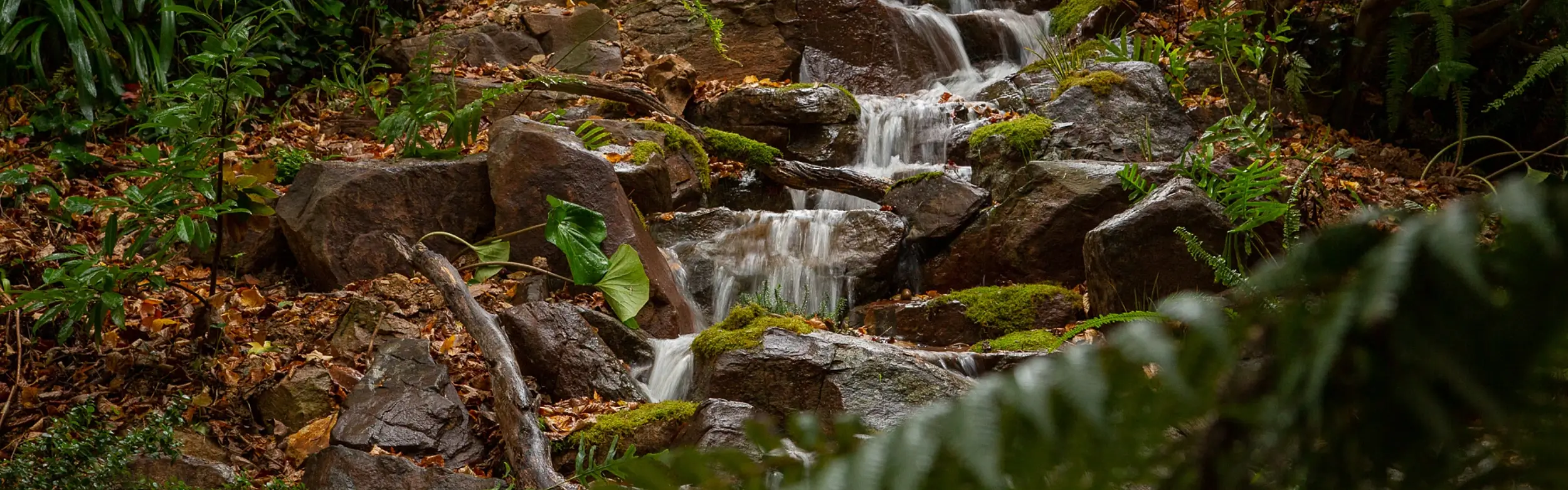
Aquatic plants are much more than decoration. In a natural pond, wetland, stream, aquatic habitat or natural pool, plants play an important role in keeping the whole system balanced.
They soften the edges, provide colour and movement, and help the waterscape feel settled into the surrounding landscape. But their real value goes much deeper than how they look.
Aquatic plants help support water quality, provide habitat, reduce excess nutrients and create a healthier environment for insects, birds, animals and aquatic life.
Aquatic Plants Help Balance the Water
Natural water systems rely on balance. When nutrients enter the water from leaves, fish waste, soil runoff or decaying organic matter, something needs to use those nutrients.
Aquatic plants are one of nature’s best tools for this.
As they grow, they take up nutrients from the water and surrounding planting zones. This helps reduce the amount of excess nutrient available for algae to feed on. In this way, aquatic plants act as part of the living filtration system.
The more established the planting becomes, the more support it gives to the overall ecosystem.
Plants Provide Shade and Shelter
Aquatic plants also help shade the water, especially where floating leaves or surface plants are used. This can help keep water temperatures more stable and reduce the amount of direct sunlight reaching the water.
Shade is important because warm, sunlit, nutrient-rich water can encourage algae growth.
Plants also create shelter. Fish, frogs, insects and other small aquatic life use planted areas to hide, rest, feed and breed. Around the edges of a waterscape, planting can provide protection and resources for birds, lizards, pollinators and other wildlife moving through the area.
Different Plants Do Different Jobs
Not all aquatic plants work in the same way. A healthy natural waterscape often includes a mix of plant types, each supporting the ecosystem differently.
Marginal plants grow around the edges and shallow zones, helping soften the transition between land and water.
Floating plants and waterlilies can shade the surface and create cover.
Submerged plants grow beneath the water and can help support aquatic habitat.
Plants around the outside of the waterscape are important too. They help the water feature blend into the landscape while providing habitat and shelter beyond the water’s edge.
The right mix will depend on the purpose of the waterscape, the amount of sunlight, water depth, movement, surrounding landscape and the type of ecosystem being created.
Plants Make a Waterscape Feel Alive
One of the most beautiful things about aquatic plants is the life they attract.
A dragonfly resting on a reed, birds visiting the water’s edge, frogs tucked into plantings, or insects moving through flowers all show that the waterscape is becoming part of the wider environment.
This is one of the reasons plants matter so much. A natural waterscape should do more than hold water. It should support a thriving ecosystem within the water and around it.
Choosing the Right Aquatic Plants
Aquatic plants are generally not difficult when they are placed in the right conditions. However, different plants have different needs.
Some prefer shallow edges. Some need deeper water. Some enjoy moving water, while others prefer calmer areas. Some need full sun, while others tolerate more shade.
Choosing plants for the right position helps them establish well and do their job within the ecosystem.
Our aquatic plant catalogue is available to help explore suitable options for ponds, streams, wetlands, natural pools and aquatic habitats. If you are unsure which plants are right for your waterscape, you can get in touch for guidance.
More Than Just a Finishing Touch
Aquatic plants are not something to add at the end just to make a waterscape look finished. They are part of how the system works.
They help absorb nutrients, create shade, support wildlife, soften the landscape and contribute to the natural filtration process.
Without plants, a natural pond or pool loses one of its most important balancing tools.
With the right planting, a waterscape becomes more than a water feature. It becomes a living system, full of movement, texture, habitat and seasonal change.